
Pediatric hearing
Cochlear implant: who is a candidate?
A cochlear implant is indicated for children and adults with severe or profound hearing loss in both ears who do not get enough benefit from hearing aids. It can be done at any age, from 6 months, as long as health allows surgery. The decision depends on hearing tests, imaging and an assessment by the team.
Written by Profa. Dra. Aline Bittencourt, CRM-MA 7562 Medically reviewed by Profa. Dra. Aline Bittencourt, CRM-MA 7562 Published on
“Can my child have an implant?” “At my age, is it still worth it?” Both questions come up often at the clinic, from families and from adults who have tried hearing aids and feel they are not enough. The answer depends less on age and more on the state of hearing, the ear and the hearing nerve.
What is a cochlear implant, in short?
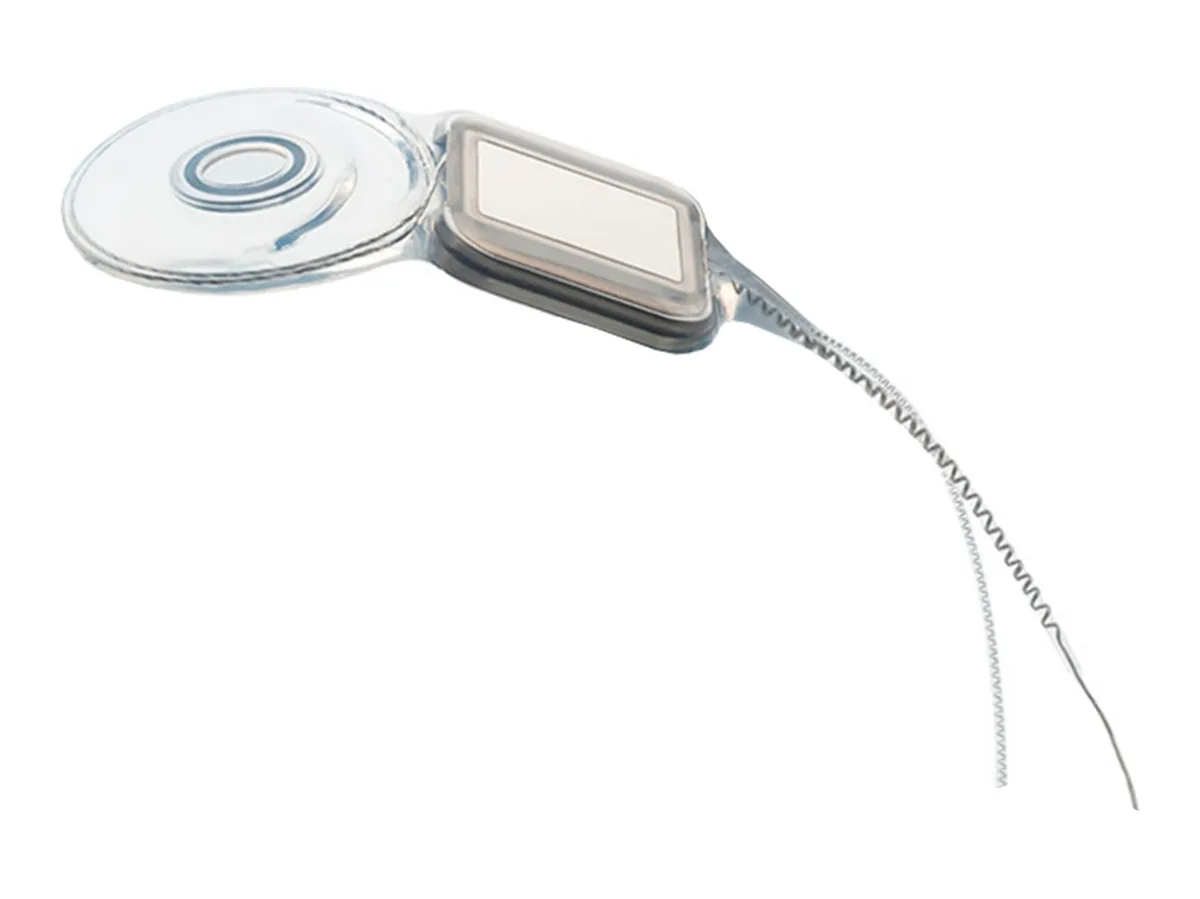
It is an electronic device with two parts. The external part, worn behind the ear, picks up sounds from the environment. The internal part, placed surgically, has an electrode positioned inside the cochlea, the part of the inner ear that turns sound into signals for the brain. Rather than amplifying sound, as a hearing aid does, the implant stimulates the hearing nerve directly.
The difference between the two options is explained in the article hearing aid or cochlear implant.
Who is a candidate?
A cochlear implant is indicated for people who:
- Have severe or profound hearing loss in both ears and do not hear well even with well-fitted hearing aids.
- Do not understand speech well, even with amplified sound.
- Were born deaf or lost their hearing later in life.
In selected cases, the indication is also assessed for loss in one ear only. The degree of loss on the audiogram is the starting point, not the conclusion: two patients with similar tests may receive different recommendations.
Is there a minimum or maximum age?
The implant can be done at any age, as long as general health allows surgery. That includes babies from 6 months and older people.
For a child born deaf, timing matters. In early childhood the brain is especially ready to learn to hear and speak, and children implanted early have a better chance of developing speech and language close to that of hearing children. This is why an abnormal newborn hearing screening and delayed speech deserve investigation without delay.
In adults who have lost their hearing, the time spent without hearing also affects the outcome, but it does not rule out the implant.
Which tests are done?
| Test | What it shows |
|---|---|
| Audiometry | The degree and type of hearing loss |
| Tympanometry | The state of the eardrum and whether there is fluid in the middle ear |
| ABR (BERA) with threshold testing | How the hearing nerve and brain respond to sound, without relying on the person’s response |
| Otoacoustic emissions | The function of the cells of the cochlea |
| CT scan of the ears | The anatomy of the ear, to identify malformations and plan surgery |
| MRI | The hearing nerve and the space inside the cochlea for the electrode |
| Blood tests and assessment by a cardiologist and anaesthetist | General health for surgery |
An assessment by the speech and hearing therapy team, including a trial with hearing aids, completes the picture. The decision comes from all these pieces together and is discussed with the patient and the family.
Why are vaccines needed?
People with a cochlear implant have a higher risk of meningitis, an infection of the membranes around the brain. So before surgery, vaccinations must be up to date, especially:
- Pneumococcal vaccine.
- Haemophilus influenzae type B (Hib) vaccine.
- Meningococcal vaccine.
- Flu vaccine.
After surgery, vaccination continues according to the schedule and medical advice.
How is the operation done?
The operation is performed in hospital under general anaesthesia and usually takes 2 to 4 hours. Through an incision behind the ear, a small opening is made in the bone of that area, the mastoid, to reach the cochlea. The internal part is secured to the bone, and the electrode is carefully inserted into the cochlea. The facial nerve is monitored throughout.
While still in theatre, the audiologist tests the implant, and an X-ray confirms the position of the electrode. The head is bandaged to prevent a haematoma, and the bandage stays on for about 3 days. Patients usually go home the same day or the next.
What happens afterwards?
- The implant is not switched on on the day of surgery. Stitches come out at around 15 days.
- Activation takes place about 3 to 4 weeks after surgery, when the external part is fitted and switched on by the audiologist. At first, sounds may seem strange; over time, the brain adapts.
- Speech and hearing therapy is part of the treatment, not an extra. It is where the brain learns to interpret the sounds from the implant. Children born deaf need more time to develop speech and understanding.
- Physical activity is put on hold for about 45 days.
- Follow-up is ongoing, with visits every 6 months up to age 4 and then once a year, as well as adjustments to the implant’s programming.
What is important to know before deciding?
- The implant does not restore normal hearing. It improves the ability to hear and understand speech, and results vary from person to person.
- The outcome depends heavily on rehabilitation, especially in children.
- The external part needs daily care, such as cleaning, drying and protection from water.
- There are risks, as with any operation: infection, dizziness or tinnitus, usually temporary, loss of the hearing that remained in the operated ear, device failure and, rarely, facial palsy or meningitis. These points are discussed in detail before the decision.
The full path, from investigation to follow-up, is on the cochlear implant page.